

Hey, Peaks Island!
Don’t put food waste in the trash — bring it to us and we’ll compost it! You’ll reduce pollution and greenhouse gas emissions, save landfill space, and help provide the island with compost for growing things!
How to use the program
Super simple! Collect food scraps at home. When you’re ready, bring them to our dropoff at Peaks Island Elementary School or at Trott-Littlejohn Park, and we’ll take it from there.
Who we are
We’re a group of island volunteers doing this to make a positive difference. Our work is supported by our much-appreciated partners including the Peaks Island Council, Peaks Island Fund, Portland’s Office of Sustainability, Maine’s DEP, and the Peaks Environmental Action Team, to name just a few!

Collect your food scraps and leftovers at home

Bring them to our dropoffs at Trott-Littlejohn or the school

They’ll be turned into organic, nutrient-rich compost

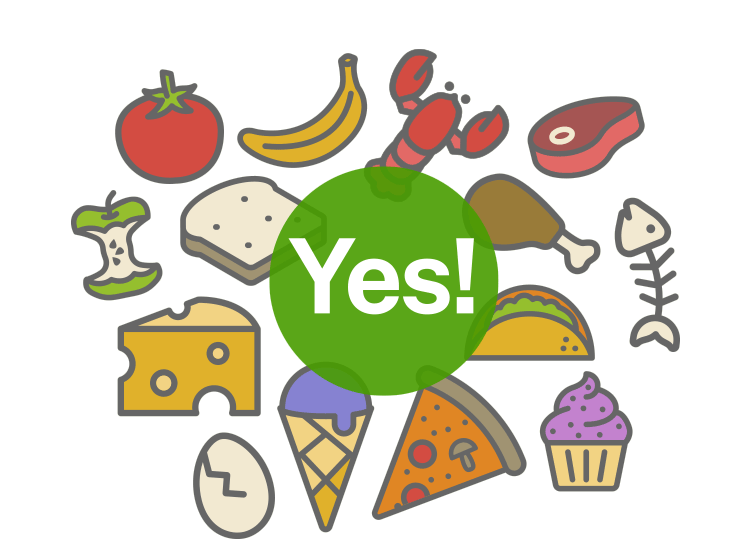
If it's food, we can compost it!
Fruit & veggies
Bread, rice & pasta
Meat, seafood, bones & shells
Dairy, cheese & eggshells
Leftovers, cooked & spoiled food
Coffee grounds

otherwise leave it out!
No paper or packaging
No plastic, glass or metal
No pet waste or diapers
No bottles, cans, cups or bags
No yard waste
No "compostable" packaging

Dropoff 1
Peaks Island Elementary School
(At the corner of Island and Church Avenues)
Dropoff 2
Just outside the entrance to Trott Littlejohn Park (Near the Transfer Station)


Why composting?
27% of Maine’s waste stream is food waste — completely compostable, but the vast majority of it is incinerated or buried — or both. Food that’s incinerated creates pollution, releases carbon into the atmosphere, and creates ash (that then needs be landfilled). Food that’s buried fills up landfills and releases methane, a powerful greenhouse gas. The better option is to collect food waste and compost them into nutrient-rich compost for use by gardeners and farmers.
How does Island compost’s process compare to having a backyard composter?
It’s the same basic method, but because we have bigger piles and manage them actively, the process is more powerful — so we can compost food like meat, bones, fats and dairy. We totally support individual composting (of course!), but we offer an island-wide solution, even for people who can’t or don’t want to compost, so we can have the greatest positive impact.
Where does the composting happen?
Our food waste dropoffs are at Peaks Island Elementary School and just outside Trott-Littlejohn Park. Our compost processing site is inside Trott-Littlejohn Park. We process some of the island’s food waste here, and send some to Garbage to Garden, a private compost contractor based in Portland. Our goal is to process all of the island’s food waste right here — and we’re working on it!
How much does it cost?
It’s free to use the program! Our modest costs are covered by grants, so you pay nothing.
how can i help?
It’s easy! Just collect your food waste and bring it to one of our two dropoffs. You’ll be making a difference! If you want to volunteer or support our program, we’d love to hear from you! Just fill out our contact form. Feel free to reach out with any questions, too.
How exactly does this help with global warming and pollution? (Nerd alert!)
There are lots of good reasons to compost, but the most important is that removing food from the waste stream reduces air pollution, saves landfill space, and reduces the production of global warming gases. Read on to learn more:
-
Most of Portland's municipal trash is burned as "fuel" in a waste-to-energy incinerator run by Ecomaine. That means our food waste creates air pollution and releases carbon into the atmosphere. And because food waste has such a high water content, it reduces the efficiency of Ecomaine’s incinerators which increases pollution, including persistent chemicals like dioxins. Composting is an inexpensive and pollution-free alternative!
-
After Portland's trash is incinerated for energy, the remaining ash is buried in landfills. Tons and tons of burned food waste is buried underground every day. Some of our food waste isn't incinerated, and ends up as raw waste in landfills, which creates even bigger problems. Buried raw waste creates methane — one of the most potent greenhouse gases — and can release toxic leachates into underground aquifers.
-
Compost improves soil health by supporting abundant microbial life. It's great for plant growth, water retention, and trapping carbon! More compost availability makes it easier for local farms and gardeners to have healthy soil that needs less water and fertilizer — and reduces global warming by sequestering carbon that would otherwise remain in the atmosphere.

We're thrilled to be keeping a half-ton of food waste out of our island waste stream every week! And now we’ll have an even greater impact, with our newly-established commercial compost site on the island. We’ll be able to process much more food waste – from year-round residents, island restaurants, the school, and our summer residents and visitors – and significantly reduce the amount of trash hauled off the island.
Sign up for our email list using our contact form and we'll keep you posted about our progress.

Ask a question, make a suggestion, volunteer, or join our email list — we’d love to hear from you!